Push to promote energy efficiency to deal with surging demand for power
BAHRAIN is embracing renewables and promoting energy efficiency to keep up with soaring energy requirements, with demand for power expected to almost double in the next 13 years, said a top minister.
Electricity and Water Affairs Minister Dr Abdulhussain Mirza revealed peak demand for electricity would rocket from 3,572MW this summer to around 6,500MW in 2030.
However, he was optimistic about the country’s capability to “go places” with renewables, especially solar energy.
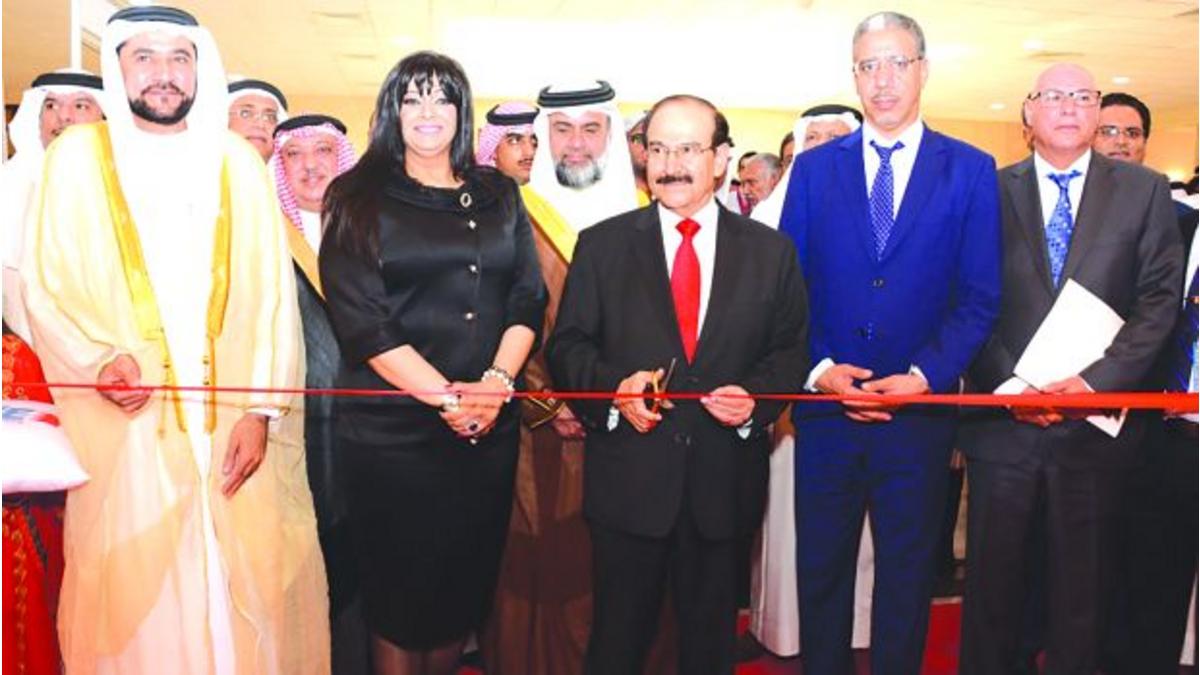
Dr Mirza also highlighted developments and initiatives in his opening address at the Solar Technology Energy and Environment in Bahrain (STEEB) 2017 Conference yesterday.
The event is taking place at the Bahrain International Exhibition and Convention Centre under his patronage.
“I like to emphasise that the renewable energy transition in Bahrain is set to take off and has never been stronger,” said the minister.
“Let me confirm to you that we are going places with the issues of renewables and especially solar energy.
“Over the last 200 years, our energy supply has been continually evolving.
“In 1817, the world was mainly fuelled by biomass, by 1917 it was coal and in 2017 it was oil and gas.
“However, we have now clearly entered the next evolution of our energy supply, the age of diversification and renewables.
Hope
“It is our hope that with all these ongoing efforts, be it embarking on renewables or promoting energy efficiency, the responsible entities in Bahrain together will be able to effectively tackle the challenge of sustainability.
“Our motto is Bahrain can ensure its own long-term economic and social prosperity through a clean, sustainable and efficient energy.”
He reiterated the GCC would not be able to keep pace with demands for fuel in the next 15 years without sourcing alternatives.
“The prime challenge for governments is long-term financial and primary resources’ security, especially fuel supplies that power the economy. The gas production in the GCC will not keep pace with the demand volume in the next 15 years.
“All the available energy literature, data and statistics show the collective annual primary energy consumption for the GCC countries has surged in the past 10 years.
“This is the result of rising energy demand and this trend will continue if nothing is done about it.
“If this scenario continues, it will surely demand heavy energy capital investment and heavy burden on state budgets and financial resources over the next 10 to 15 years.
“In the case of Bahrain, our electricity and water masterplan shows that by 2030, it is estimated that Bahrain’s electrical peak system demand will rise from 3,572MW (on August 14 this year) to around 6,500MW (in the summer of 2030).
“Undoubtedly, in addition to the heavy capital expenditure in production, transmission and distribution assets, this will further require an average daily gas consumption of around 900 million standard cubic feet when employing the most efficient power plant cycles if nothing is done.
“These dynamics, in addition to the budget deficit, have compelled the government to embark on restructuring the subsidies and diversification strategy to meet growing energy demand and support economic growth.
“The government subsidy paid to EWA has been reduced from BD350m in 2014 to BD230m in 2017 and will be reduced to BD189m in 2018.”
He also highlighted initiatives such as the Sustainable Energy Unit, the National Plan for Energy Efficiency (NEEAP) and the National Plan for Renewable Energy (NREAP), as well as the renewable energy mandate for new buildings.
“Some other developments and initiatives that have taken place and ongoing are a project to turn waste into energy, in this case turning sludge from Tubli Bay into energy is currently being discussed by the Works, Municipalities Affairs and Urban Planning Ministry with a possible developer.
“At the beginning of this year we inaugurated the first solar panel factory in Bahrain, which is taking part in this event.
“The implementation follow-up committee is working on introducing regulations to encourage the use of district cooling.”
The three-day forum is open for visitors from 9am to 9pm on all three days.
Participants include Bahrain Solar Industry Association, Banagas, Asry, Almoayyed International Bahrain and other renowned organisations as exhibitors.
The event is organised by Arab Gate Expos (AGE), MEPEX and the Solar GCC Alliance.
Source: http://www.gdnonline.com/Details/254725/Push-to-promote-energy-efficiency