Bahrain’s credit rating backed by wealth levels
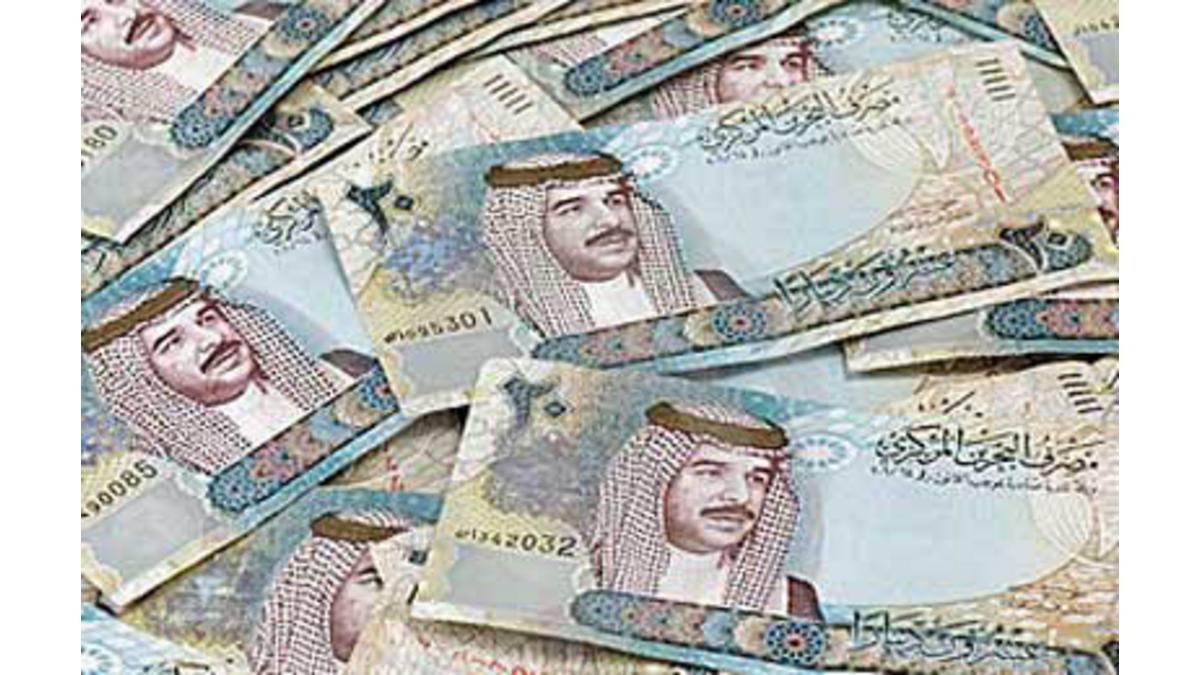
In a new report, the ratings agency has said the sovereign however, also faces credit constraints, including the sharp deterioration in government finances since 2009, a trend intensified by lower oil prices.
The “Government of Bahrain - Ba2 negative: Annual Credit Analysis” is a research update to the markets and does not constitute a rating action, said Moody’s, which continues to rate Bahrain Ba2 with a negative outlook.
The negative outlook on the rating reflects heightened government and external liquidity risks and the government’s so far slow and incremental response to lower oil revenues, the report said.
“The government’s ability to continue managing its debt and deficit levels will determine the sovereign’s rating trajectory in the coming years,” said Moody’s vice president and senior credit officer Steffen Dyck, co-author of the report.
“In the absence of significant
revenue and expenditure reforms, and given our expectation that oil prices will remain range-bound between $40-$60 per barrel over the coming years, Bahrain’s fiscal deficits will stay wide and government debt will rise to 85 per cent of gross domestic product (GDP) by 2020.”
Moody’s expects Bahrain’s growth performance to moderate in the coming years, on the back of stagnant oil and gas output and the expected negative impact on growth from fiscal consolidation.
As such, Moody’s forecasts average real GDP growth of slightly more than 3pc in 2011 to 2020, which is broadly in line with Oman, but relatively lower than other GCC member countries, such as Kuwait, Saudi Arabia and the UAE.
In the absence of more aggressive measures, Moody’s expects that Bahrain will continue to post large fiscal deficits over the coming years.
The deficit in 2015 was estimated at 18.4pc of GDP and Moody’s estimates that it narrowed gradually to 16.5pc in 2016 and will be 9.8pc in 2017.
The negative outlook could return to stable if there is evidence that a clear and credible fiscal and economic policy response is likely to stabilise government debt at levels below 80pc of GDP, and would be accompanied by a strengthening of fiscal and external buffers, the report said.
Source: http://www.gdnonline.com/Details/202125/Bahrain%E2%80%99s-credit-rating-backed-by-wealth-levels